26 Thoughts on Graduating CBS Class of 2026
Last Saturday, I graduated from Columbia Business School. It was a good ride, and I feel very fortunate for the opportunity.
It was also a lot: a lot of events, a lot of work, and a lot of fun. I got the opportunity to live right in Manhattan, the heart of New York City, and see if I could survive in the city that never sleeps. I also got a front-row seat to how the dramatic rise of AI both powered and clashed with today’s classroom.
All in all, grad school looked very different from undergrad — six years after graduating from Indiana, a lot has changed. Below are 26 thoughts on graduating Columbia Business School Class of 2026.
- Let’s start with the most important thing: overall, I loved it. In the words of Frank Sinatra — “Regrets, I’ve had a few, but then again, too few to mention.” That about sums up my two years at CBS.
- I would encourage anyone to get an MBA if…
- You have some sort of non-loan financial assistance (scholarships, employer assistance, family help, etc.). Even from an M7 school, jobs are never guaranteed, but debt always is.
- The ROI on school seems to pay off more in 5-10 years than it does right out of school. While you might get a good job right away, it’s the network that helps you land the dream job down the road. Additionally, as the world gets more “Ai-ified,” your network will matter more and more, which is an immense benefit of school.
- Doing grad school in a major city was the right choice. Looking back, I was really happy with my order of decisions to do a college-town undergrad (Bloomington) and a major city grad school (NYC). That sequence just made more sense for each stage of my life.
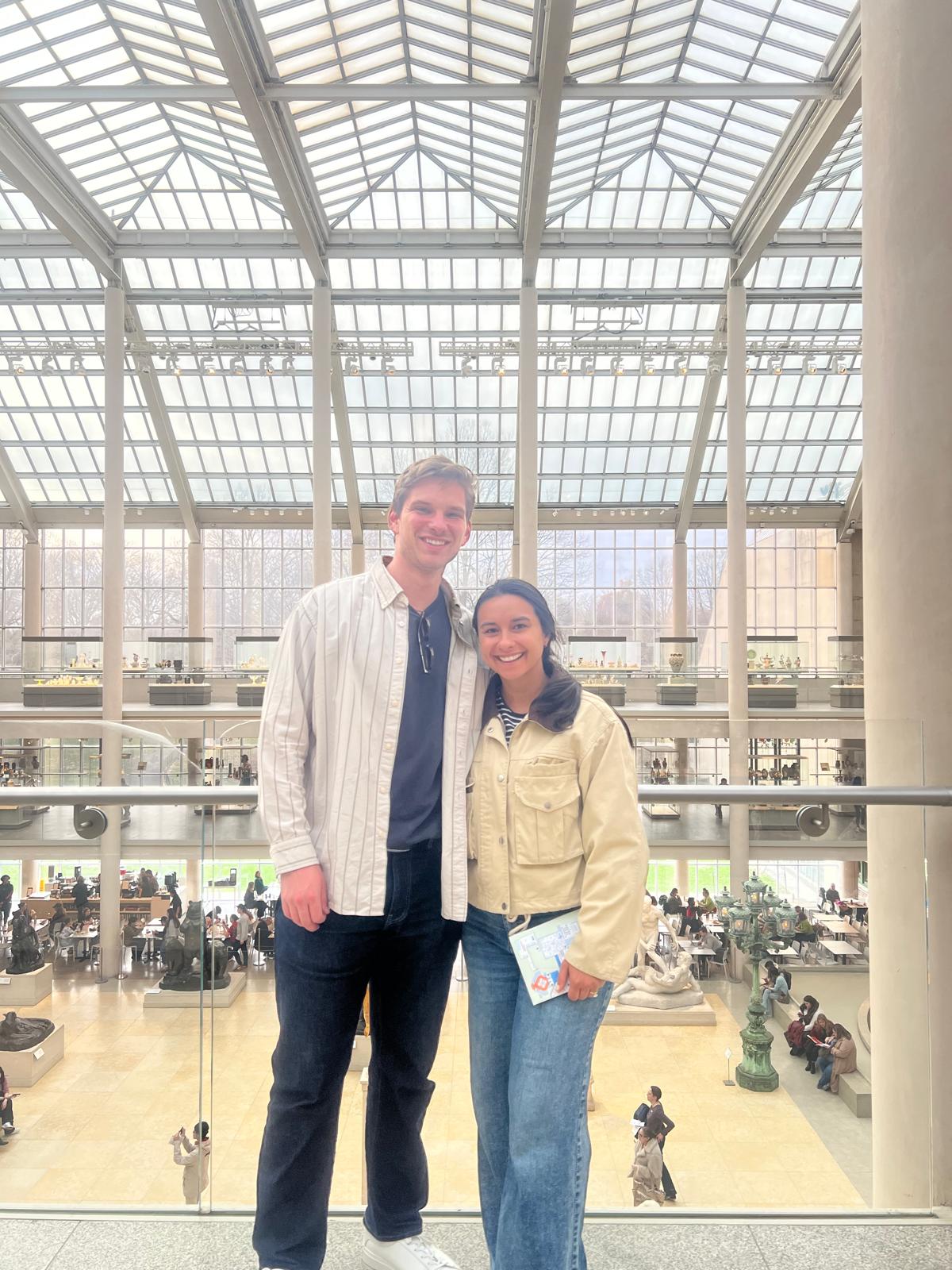 I went to the Met a few times which made me feel like a real New Yorker
- NYC is the best place I have ever lived. It’s expensive as hell but you get what you pay for. I found myself spending more money on doing things just because there’s always something to do - every block has an amazing restaurant, bar, theater, or most likely, all three.
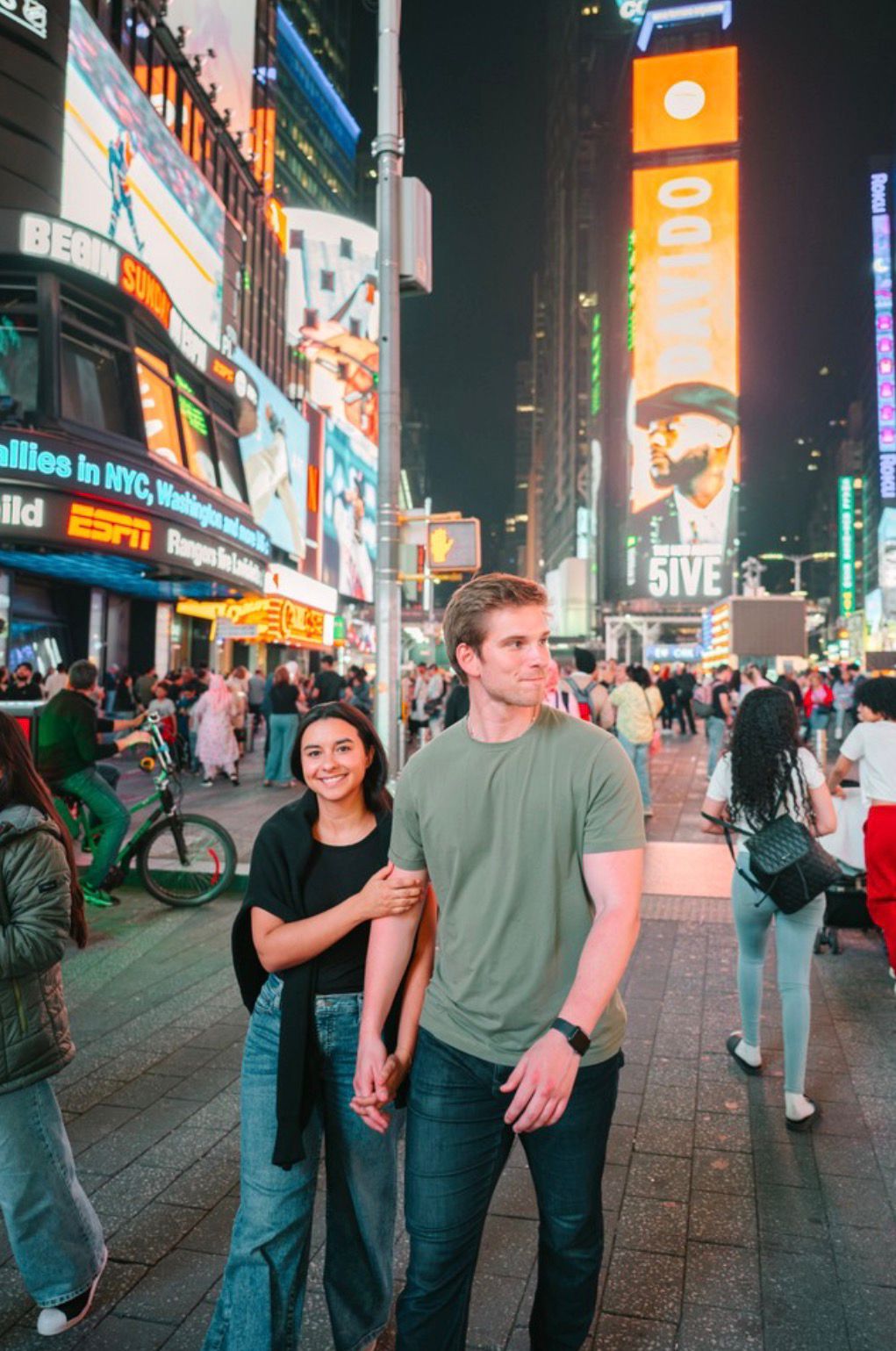
 Christina and I got some great engagement photos in the city
- Also, New Yorkers aren’t mean, they are just direct.
- Contrary to undergrad where everyone is growing up together, most people at grad school are at a different stage of their life. You naturally gravitate towards people in the same ‘life-stage’ as you. This can be a challenge for building friendships but also led to a cool diversity of experience.
- Joining rugby was the best decision I made at school because it brought together all different kinds of people for a common goal. You gain a lot of mutual respect when you put your bodies on the line for one another (especially when you’re closer to 30 than 20), and you cannot manufacture that respect anywhere else in school.
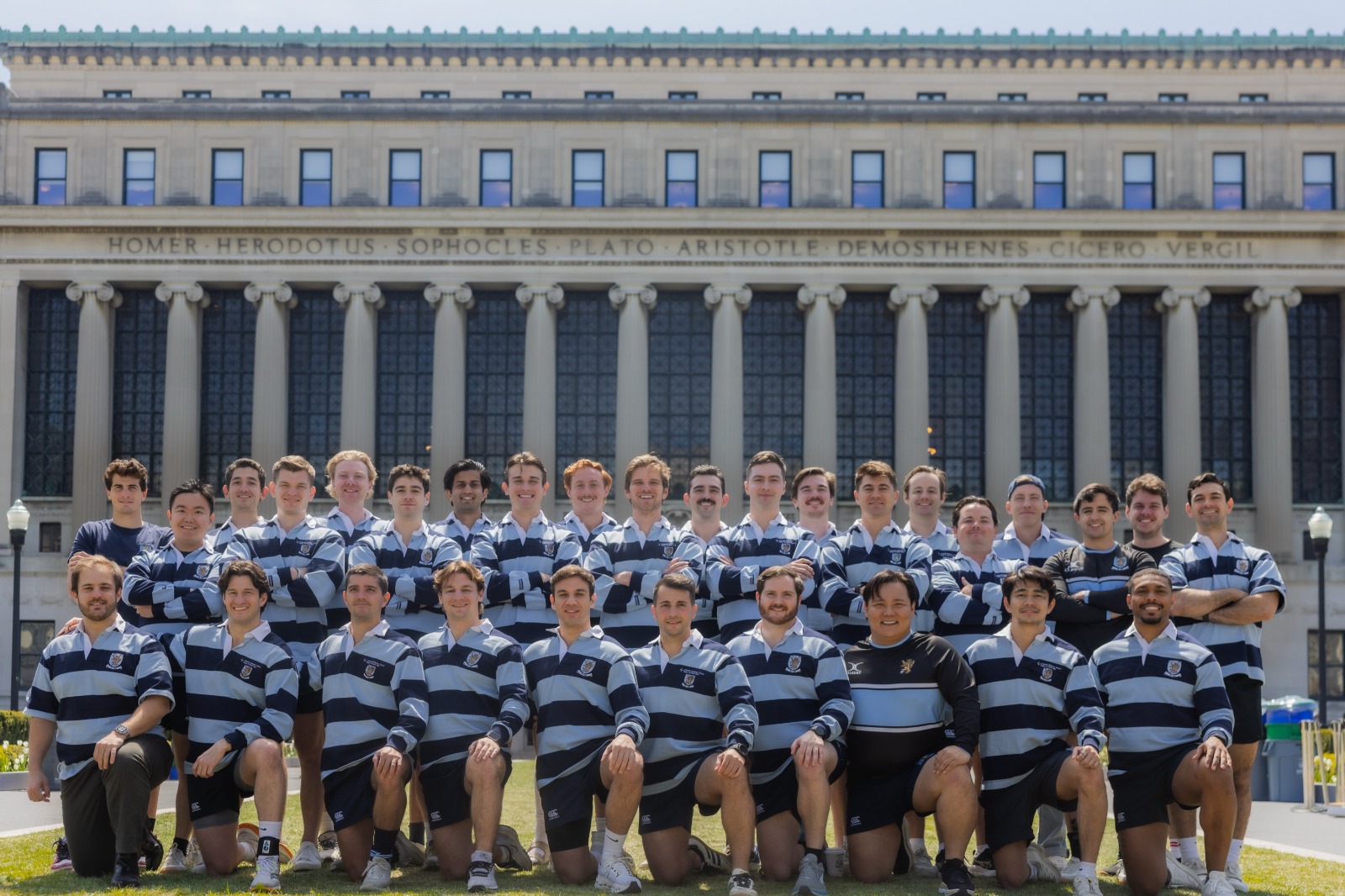 The Fellas
- Going to an Ivy league school does not mean I’d work with everyone here. There are a lot of very smart people at the school, but just like anywhere else, you have those you’d choose to work with and those you’d choose not to.
- The clubs at grad school make and grow the community.
- The hardest, but most rewarding, semester of school is the first - new environment, intense classes, and you’re likely recruiting. Doing all this at once is challenging; however, there is a sense of ‘shared trauma’ quality to those 4 months that bring together the students going through it.
- CBS, and many other grad schools, have a policy called Grade Non-Disclosure (GND) which means you don’t report your GPA to recruiters. You still earn grades, they just aren’t reported. Ultimately, I thought this was a good policy. While it was misused by some to put little to no effort into classes, for many it was an invitation to try new or challenging classes without the fear of consequences on a transcript. This also reduced the amount of ‘sharp elbowing’ done during recruiting.
- On a similar point, I found the best use of grad school is to try new things and push yourself out of your comfort zone. I tried a new sport (rugby), became an orientation leader, leaned more into community service (taught at a prison), took and TA’d challenging classes, and even participated in a fashion show. It is a low-stakes environment that encourages you to take risks. I will look back at my time at CBS and think first of doing all these new and interesting things.
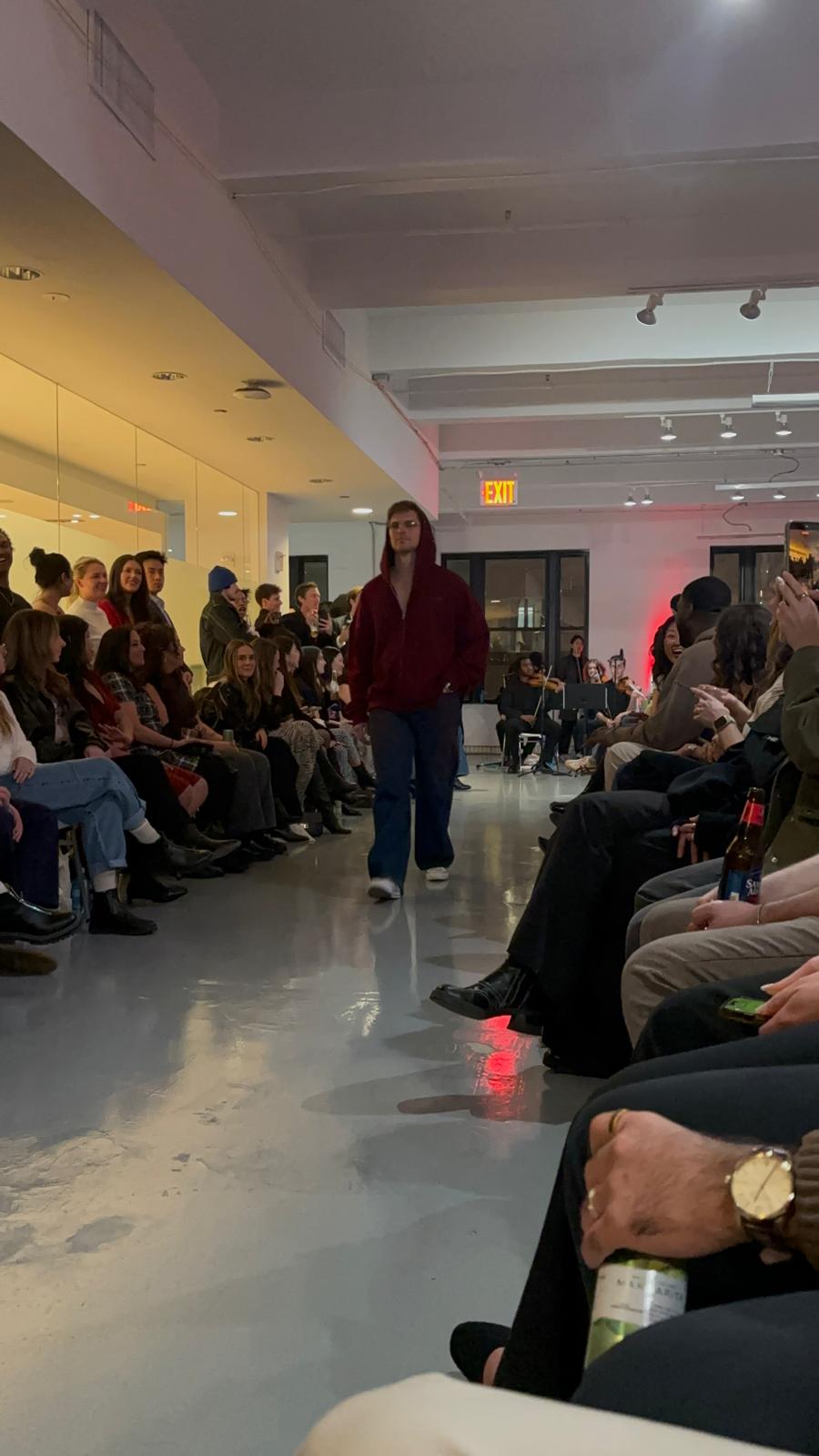 Struttin’ my stuff in the CBS Retail Luxury Goods Fashion Show
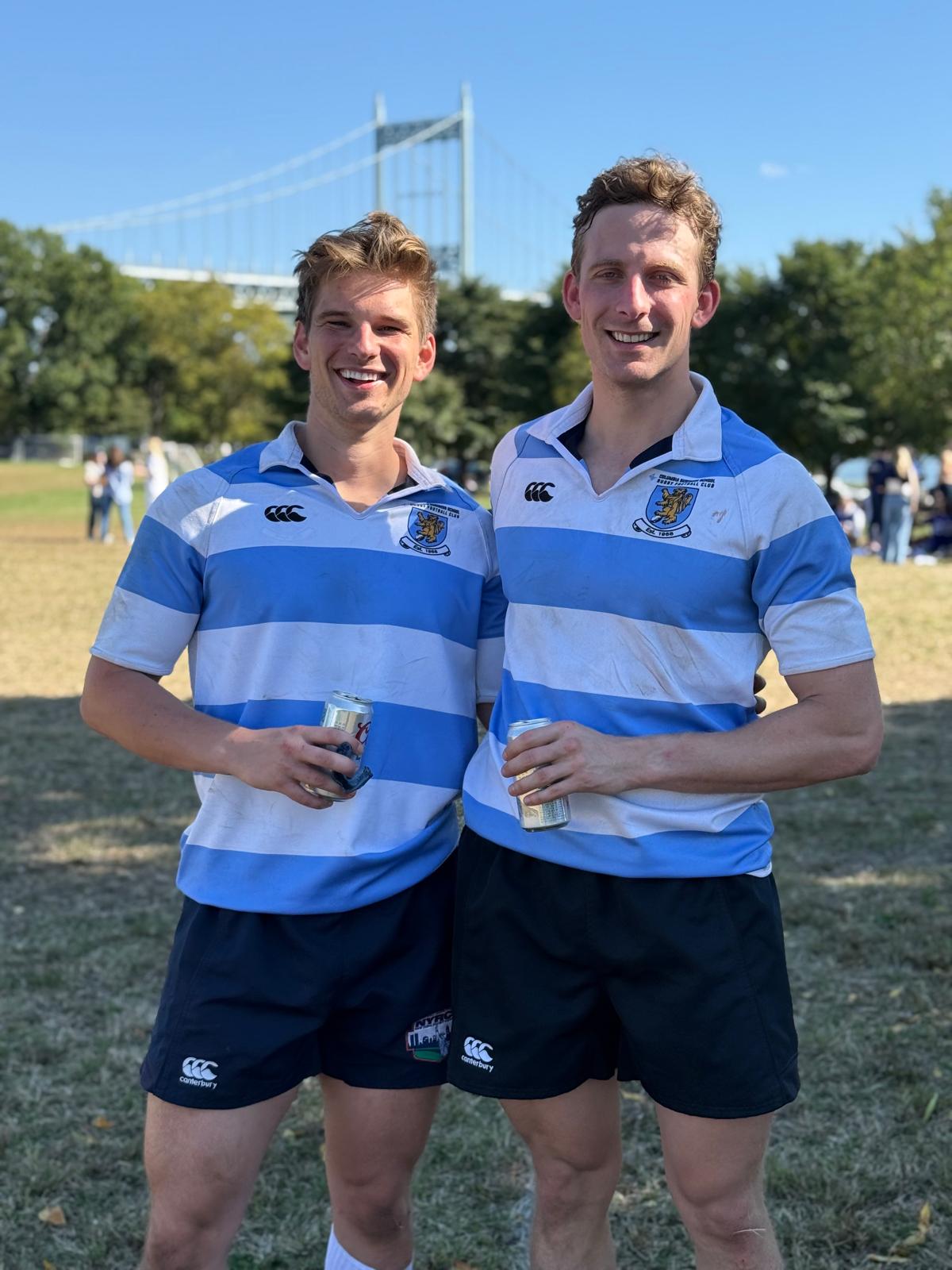 More rugby
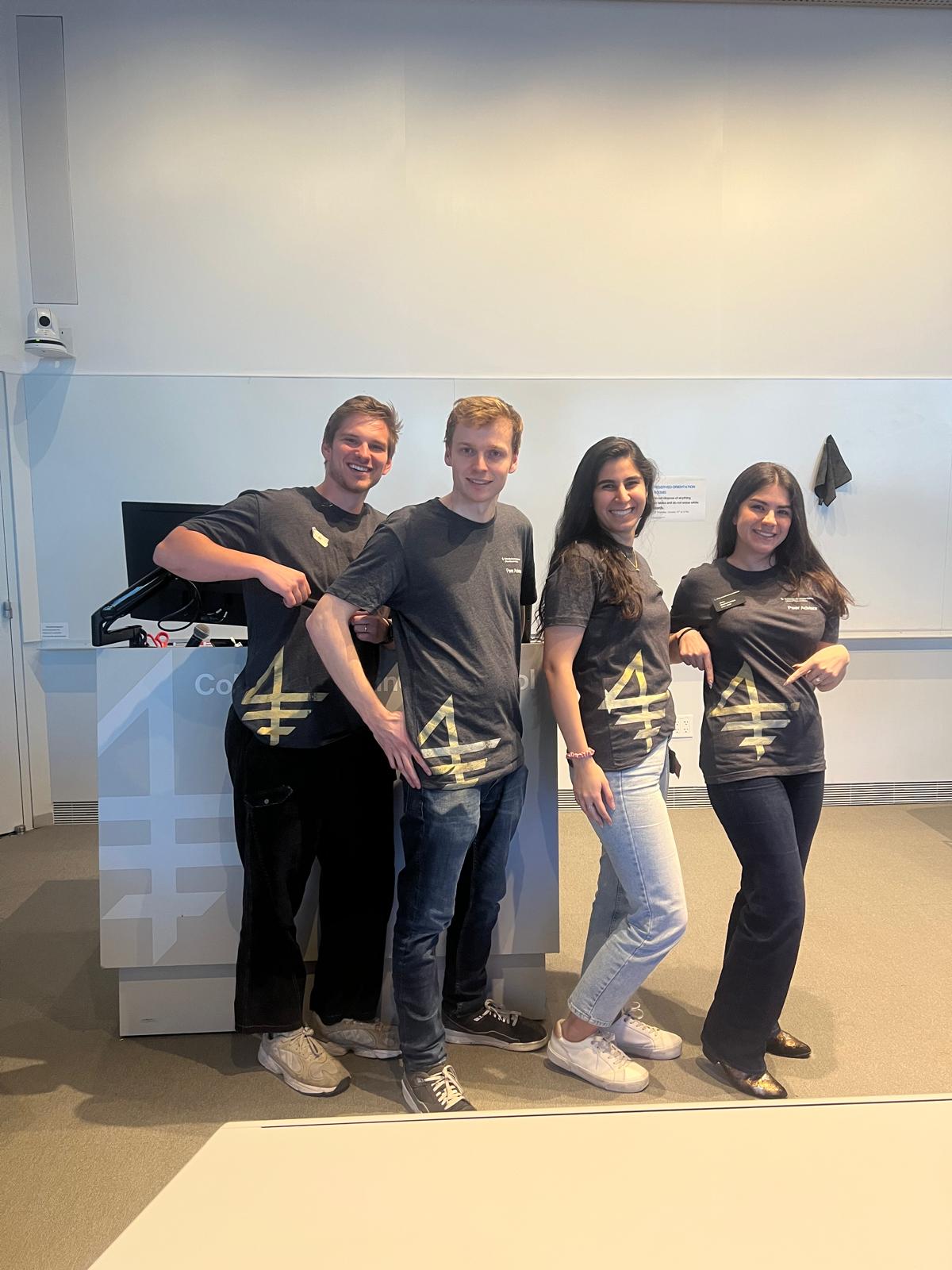 My fellow orientation leaders for one of the clusters at CBS
- Opportunities at grad school aren’t just handed to you on a silver platter, as some people seemed to think at the beginning. However, there are more opportunities available and presented to you than anywhere else I’ve ever seen. Opportunities to do anything and everything, professionally and socially…they just take a lot of effort to get.
- The most engaged classrooms had a no-laptops no-phones policy. We were all provided a locked down iPad for notes, which worked well.
- My biggest classroom pet peeve was when people were on their laptops during guest speakers. It makes them look bad but it also makes everyone else look bad.
- There’s a bit of an (outdated) idea that people get an MBA to find a partner. I didn’t really see this…probably more than 50% of people come into school already with a partner, and I didn’t see that many students get in relationships with each other.
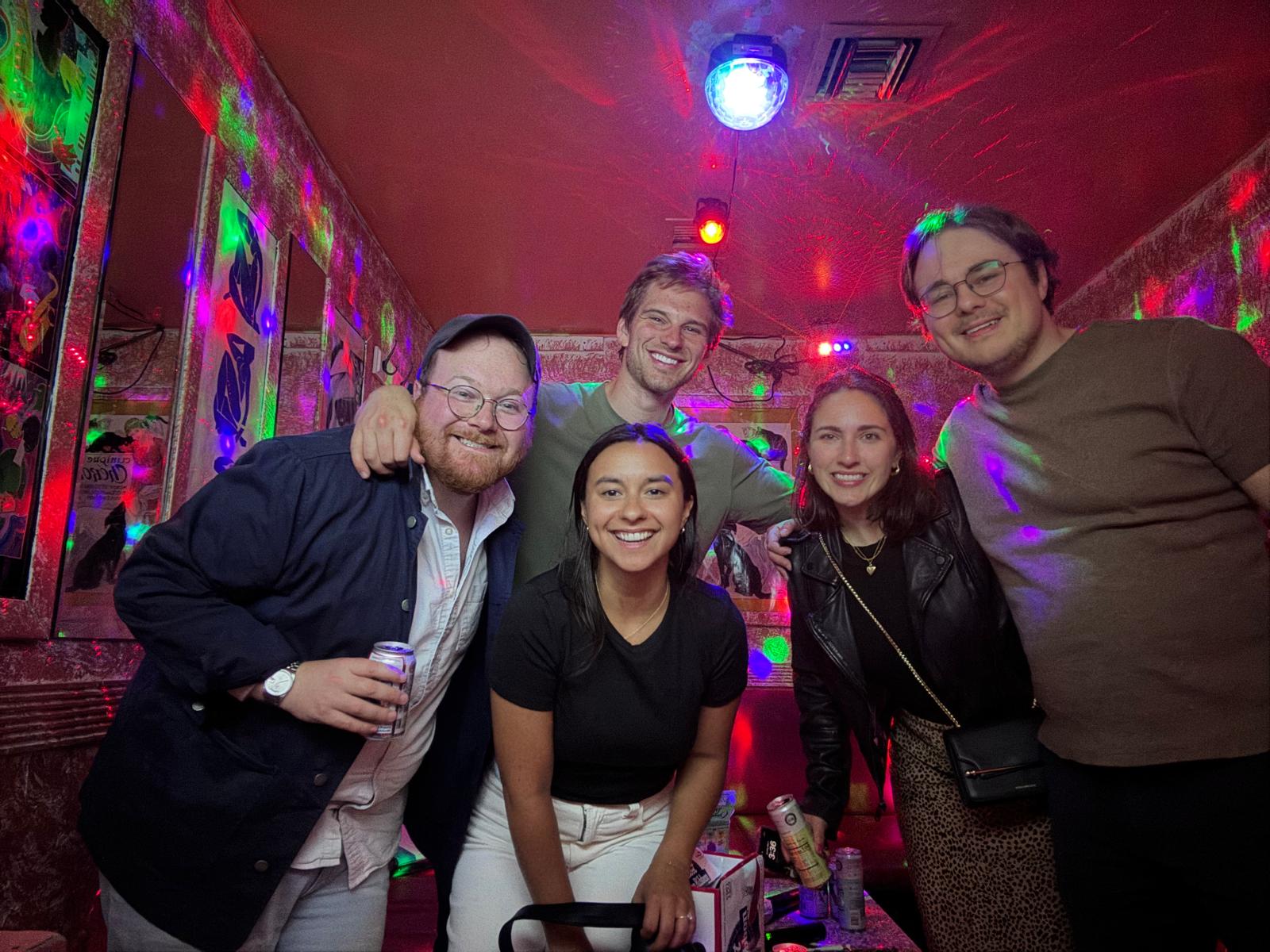 One of my favorite nights of NYC - bringing some of our best friends from Chicago out to Karaoke at 3AM
- I used AI a lot in school - specifically, I used tools like Claude and ChatGPT as private tutors to go deeper on concepts, and NotebookLM to make podcast summaries of cases I read. AI enhanced my learning experience.
- At some point midway through second semester year two (Spring 2026) students started speaking of Claude as their main AI tool instead of ChatGPT, which was the most prevalent tool until then. While I cannot pinpoint why exactly this happened, I think it’s likely some mix of the fact that Claude got a lot of popular press for the refusal of the DOD contract (and vice versa for OpenAI) and then people started feeling like it had better models around that same time (mostly for automating powerpoint presentations).
- AI is creating a bifuraction of student effort. For one half, it’s enhancing everything they do - better prep, better analysis, better productivity, and even better creativity. For others, it’s simply a bypass. It’s hallowing out the majority middle and pushing students towards either effort extreme - much more or much less. Mark Cuban thinks so too.
- Schools are still trying to figure out how best to integrate AI into the curriculum. At CBS, while not perfect, steps were made during the two years to add more classes and more AI-tools. The question now is if education as a whole can keep up.
- AI made standard problem-set homework almost meaningless. AI has gotten so good that you can upload 20 stats questions and it can solve it almost perfectly. We need to rethink what homework even is.
- Bloom’s Taxonomy describes levels of learning — from the foundational (remembering, understanding) up to the complex (analyzing, evaluating, creating). Historically, a lot of homework lived at the bottom: here are 20 problems, submit them, never discuss them again. AI has made that kind of work trivially easy. The opportunity now is to design learning that lives at the top of the pyramid — live debate, real analysis, building things. That’s where the actual learning is, and it’s also where AI can’t just do it for you.
- Two of the best classes I took had drastically different AI policies. One had a near-zero AI policy, while the other used it every single class. Both classes had the following characteristics in common: cold callilng, plenty of discussion and debate, and live presentations and feedback.
- Two years is exactly the right amount of time. There’s no way I could do another year, but I felt like I was just hitting my stride after year one. And from everyone I’ve talked to - most of them loved their time here. I am definitely one of them.
Thanks CBS for an amazing two years!
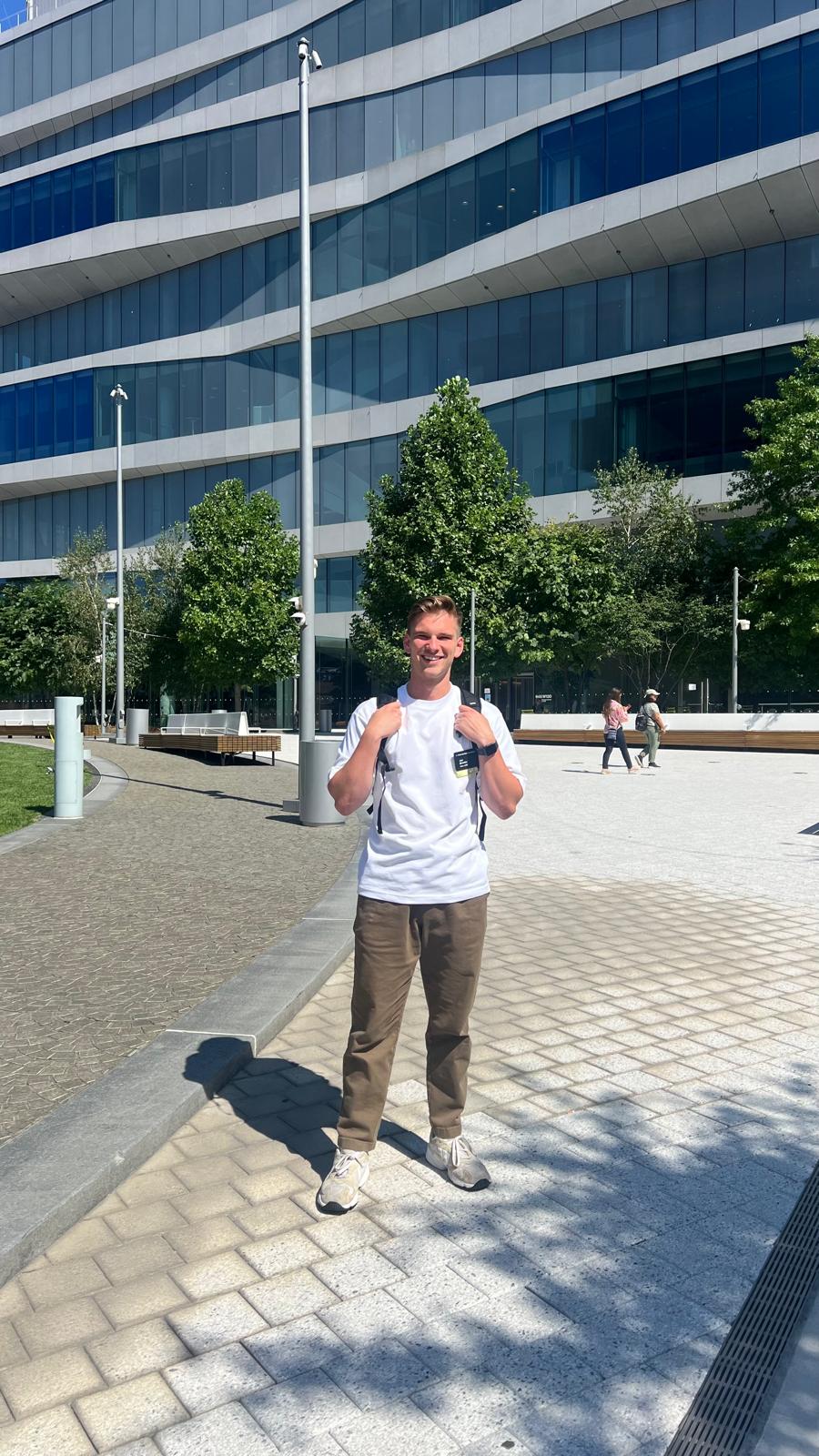 First day of class
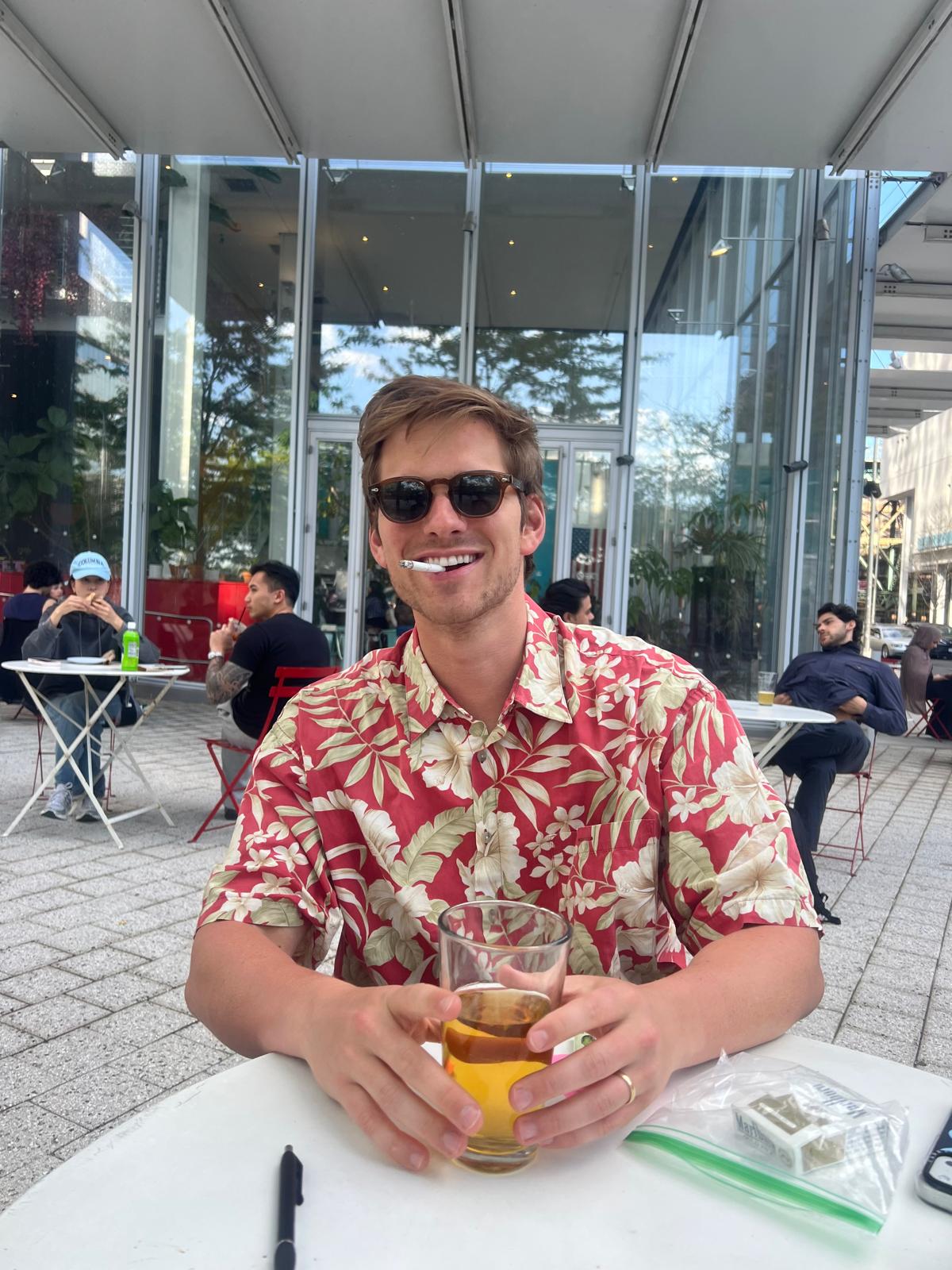 Last day of class. Please excuse the cigarette and beer
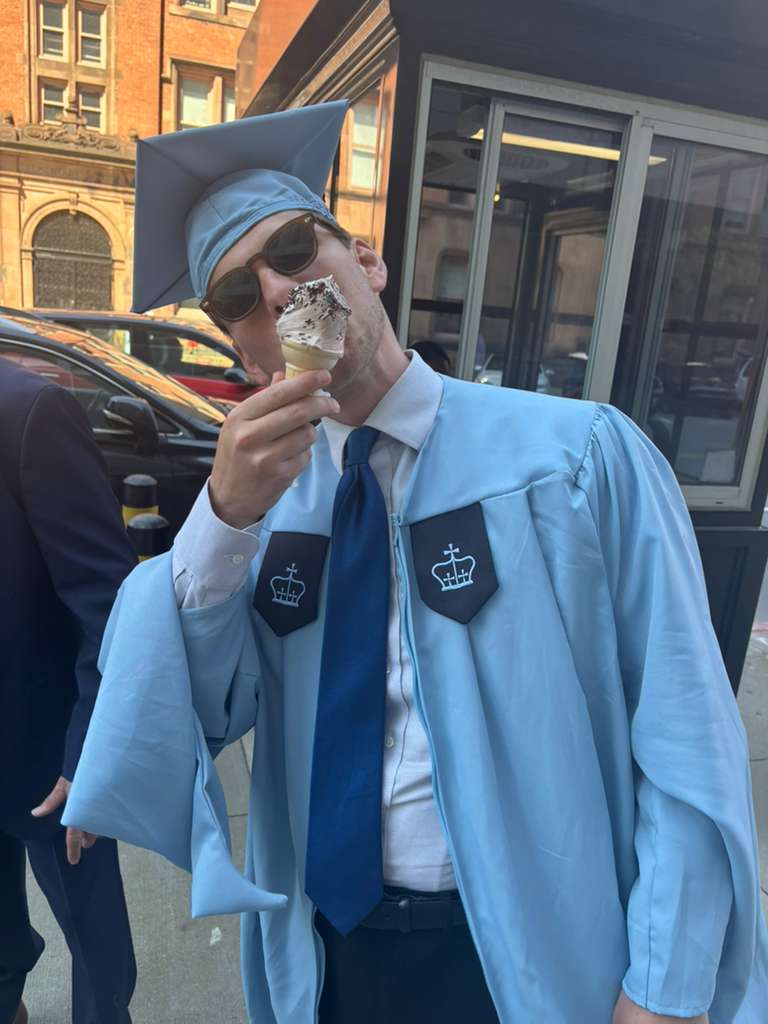 That’s a wrap!